.avif)

Knowledge, Insights, and News
Lithium Battery Disposal: What Consumers and Businesses Should Know
Lithium is often found in the batteries of wireless electronic devices, and the raw material is also present in power batteries. But how should consumers and businesses dispose of these lithium-containing energy storage devices at the end of their lifespan? We have compiled the most important questions and answers on the topic.
I want to dispose of a lithium battery. Can I do this in the regular trash?
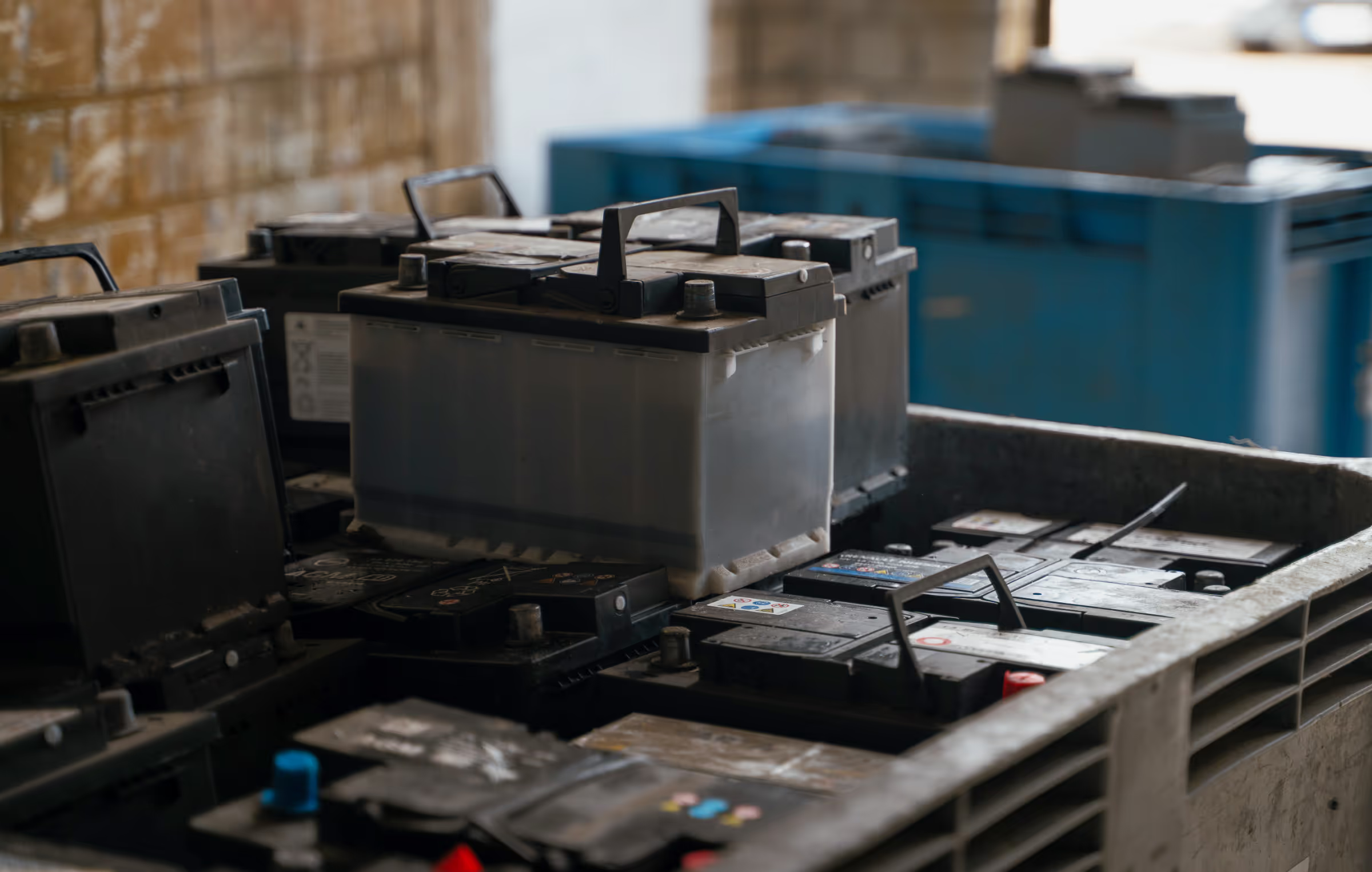
If you want to dispose of a lithium battery or rechargeable battery, you must not throw it in household waste, as they pose environmental and fire hazards. Waste disposal companies regularly report fires occurring in garbage trucks or sorting facilities because lithium batteries, rechargeable batteries, or battery-powered devices have ended up in the trash.
When disposed of correctly, the valuable metals they contain can be reused. Although these recycling processes are not yet (sufficiently) mature, development in this area is steadily progressing. It is expected that the recovery of lithium will become increasingly important in the future, also to conserve resources. Separate collection is essential for this.
Where can I, as a consumer, dispose of lithium batteries and rechargeable batteries? And what options are there for old electrical appliances with batteries?
As a consumer, you have several options:
- You can drop off the device with a built-in power source, the lithium-ion battery, or the rechargeable battery at your regional recycling center.
- Take smaller batteries and rechargeable batteries with you on your next shopping trip. Collection boxes are available in many stores.
- Bicycle retailers accept batteries from e-scooters and e-bikes.
- You can drop off your old appliances at electronics retailers and supermarkets. However, not every store accepts every type of device.
- Manufacturers are obliged to take responsibility for the disposal of batteries and electrical appliances they have placed on the market.
- Specialized disposal companies can voluntarily accept electronic waste, batteries, and rechargeable batteries. At elorec, we allow private individuals to drop them off with us. Since we incur costs for further processing that are not covered by municipal waste fees, we cannot offer this service free of charge. For more information, please feel free to contact us.
Important note: From summer 2025, it will be possible to drop off e-bike and e-scooter batteries at any recycling or civic amenity site (public waste disposal facilities). This new regulation aims to simplify disposal for consumers and increase collection rates.
Lithium batteries are widely used
Due to their high performance, lithium-ion batteries are now permanently installed in many electronic devices, such as smartphones, laptops, Bluetooth headphones, and cordless drills. Sometimes they are not even noticeable, for example, in singing greeting cards or flashing sneakers. They are also widely used in e-mobility (LEV). Therefore, the probability that you use devices with lithium batteries at home or in your daily professional life is very high. There is no mandatory labeling, but it sometimes occurs voluntarily on the product. The information may also be included in the operating manual.
What applies to businesses when they want to dispose of devices with lithium batteries?
They too must ensure proper disposal. For this, they can contact the manufacturer of the electrical appliance. The manufacturer must offer them the option of free disposal for household-type electrical appliances. However, the company disposing of the item must bear the effort or costs for transport. One disadvantage: the manufacturer does not have to consider the residual value of a device.
Public recycling centers can also be a point of contact, although they are not always equipped to accept devices from commercial users. In this case, the organization of (safe) transport is up to you.
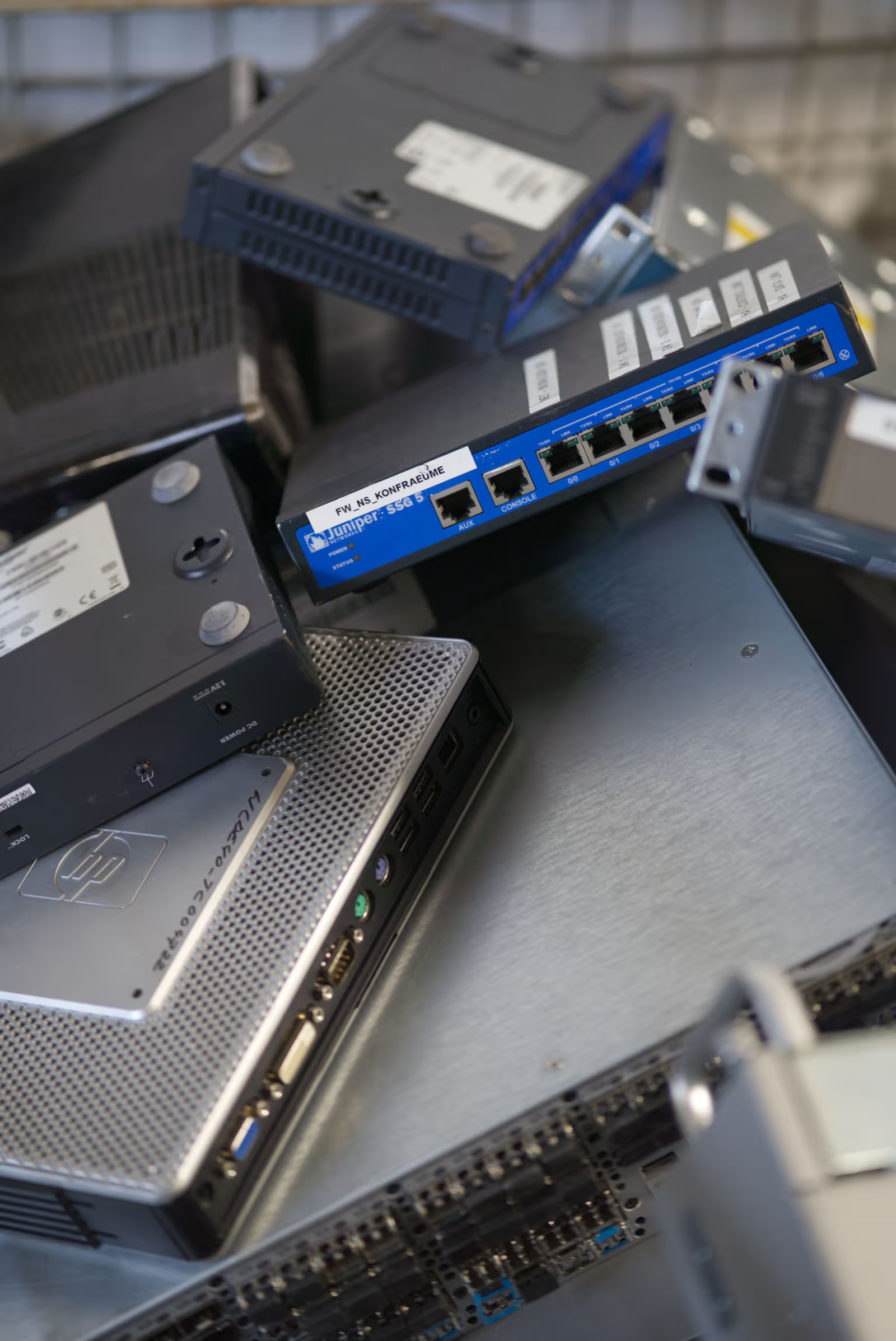
This is different with certified disposal companies like elorec. They specialize in accepting batteries and rechargeable batteries of all sizes, as well as old electrical appliances – even in large quantities – and feeding them into the recycling process. They offer B2B customers specialized services for the disposal of lithium-ion batteries and electrical appliances. At elorec, these include:
- Consulting on waste management and setting up an internal collection point
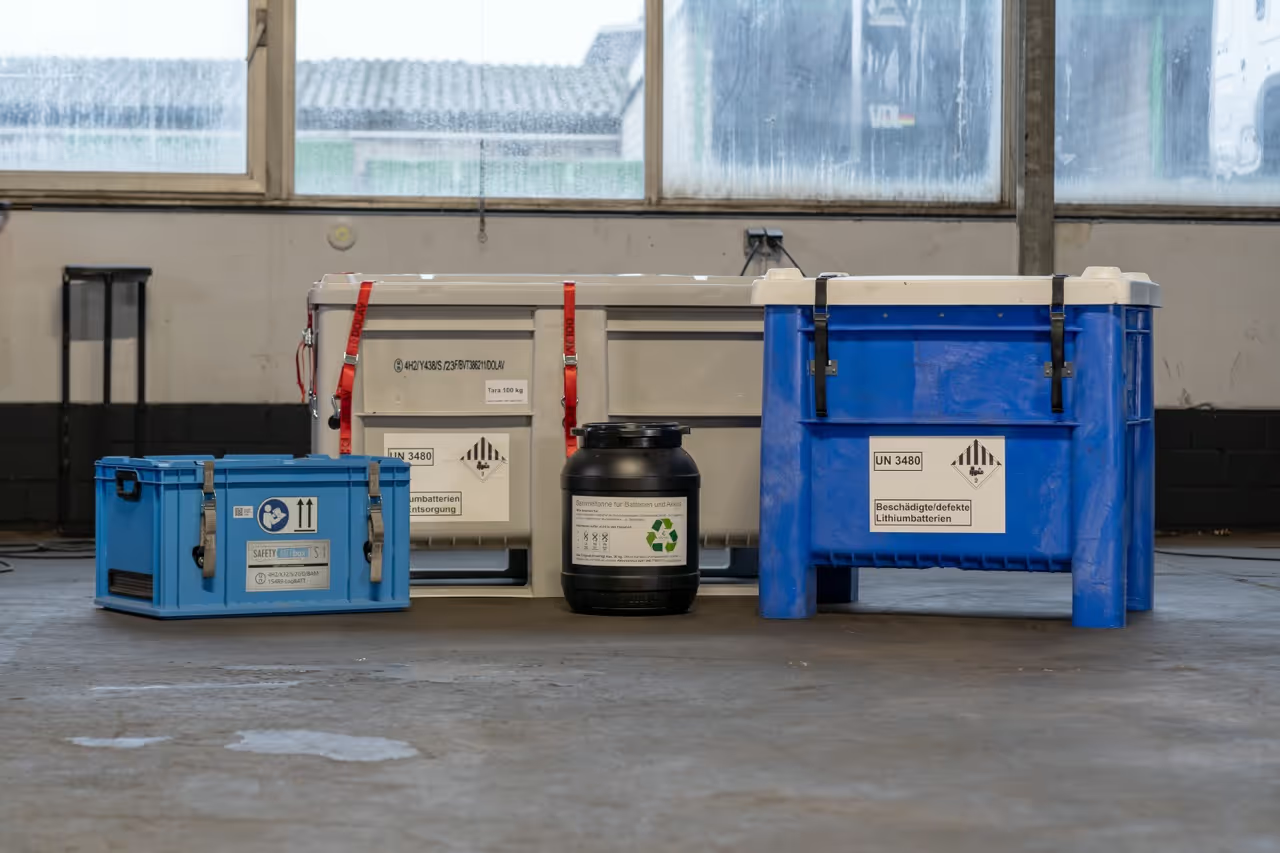
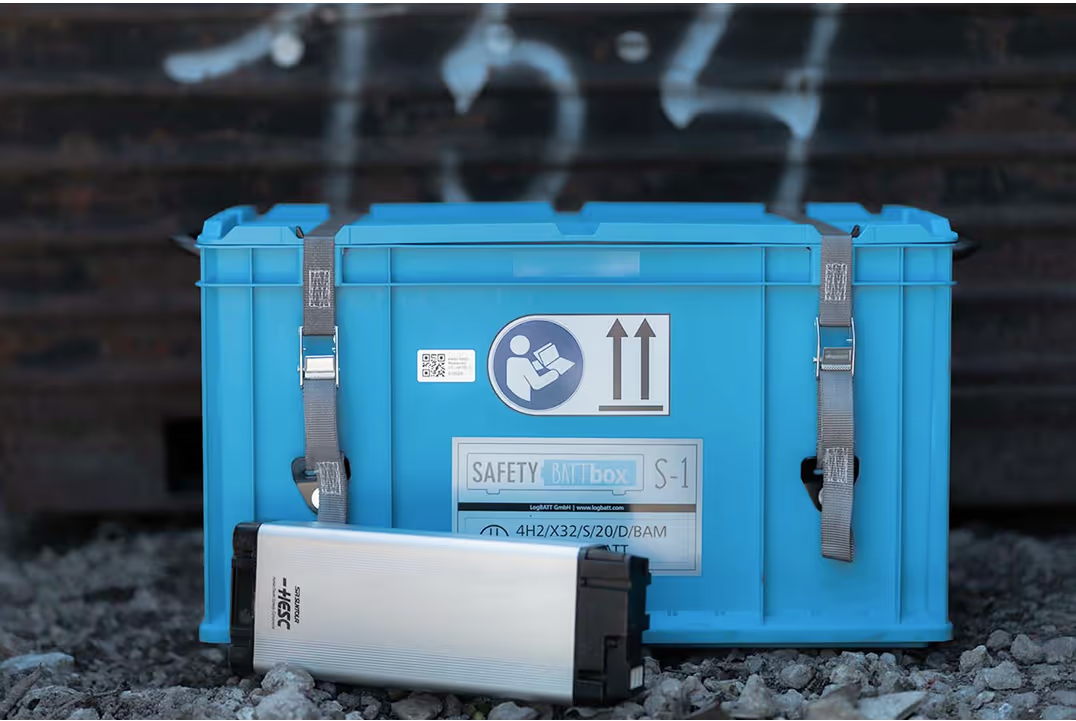
- Provision of safety boxes so that companies can safely store lithium batteries until collection
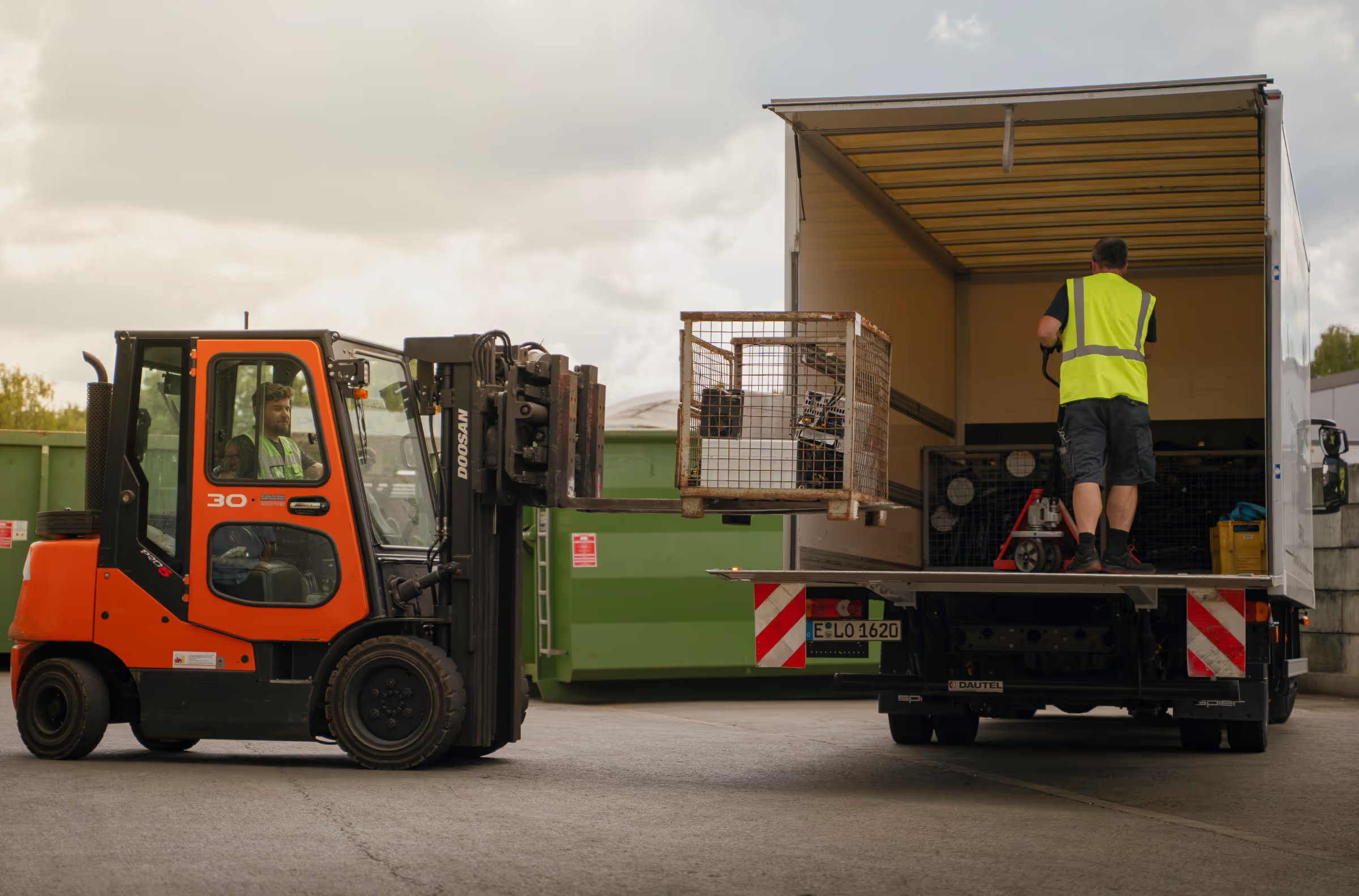
- Transport according to specified safety regulations (lithium batteries are classified as dangerous goods)
Electrical appliances sometimes still have value, even if they are defective or old. It is therefore quite possible that a specialized disposal company will pay you money for your old appliances. For businesses, it is essential to entrust the disposal of electrical appliances and lithium-ion batteries to a qualified company.
How do I dispose of a defective lithium battery?
Improper handling, mechanical damage, or a defect can cause lithium batteries to pose a fire hazard. Warning signs include a bulging, overheated, leaking, or smoking battery. It can ignite or even explode. Toxic gases are produced, and harmful substances are released. Arrange for disposal immediately. At elorec, we use specially approved safety boxes for storage and transport, which also offer protection for critical lithium batteries.
Batteries that have not been charged for a very long time can deep discharge, posing a safety risk. Therefore, dispose of discarded batteries and old appliances promptly or arrange for their collection. Tape the terminals before transport to prevent short circuits.
Further information on the disposal of high-energy lithium batteries can be found in our service guide, which you can download for free.
Or contact us directly by phone at 0201 94 67 70 20 or by email at info@elorec.de! We are happy to help you.