
Research
Research in Waste Management


End-of-Life Strategies for Light Electric Vehicles within a Digitalized Circular Economy, using E-Cargo Bikes as an Example

SeRoBatt – Secondary Raw Material Sources for Battery Cell Production

Pilot4Cirulev
Research

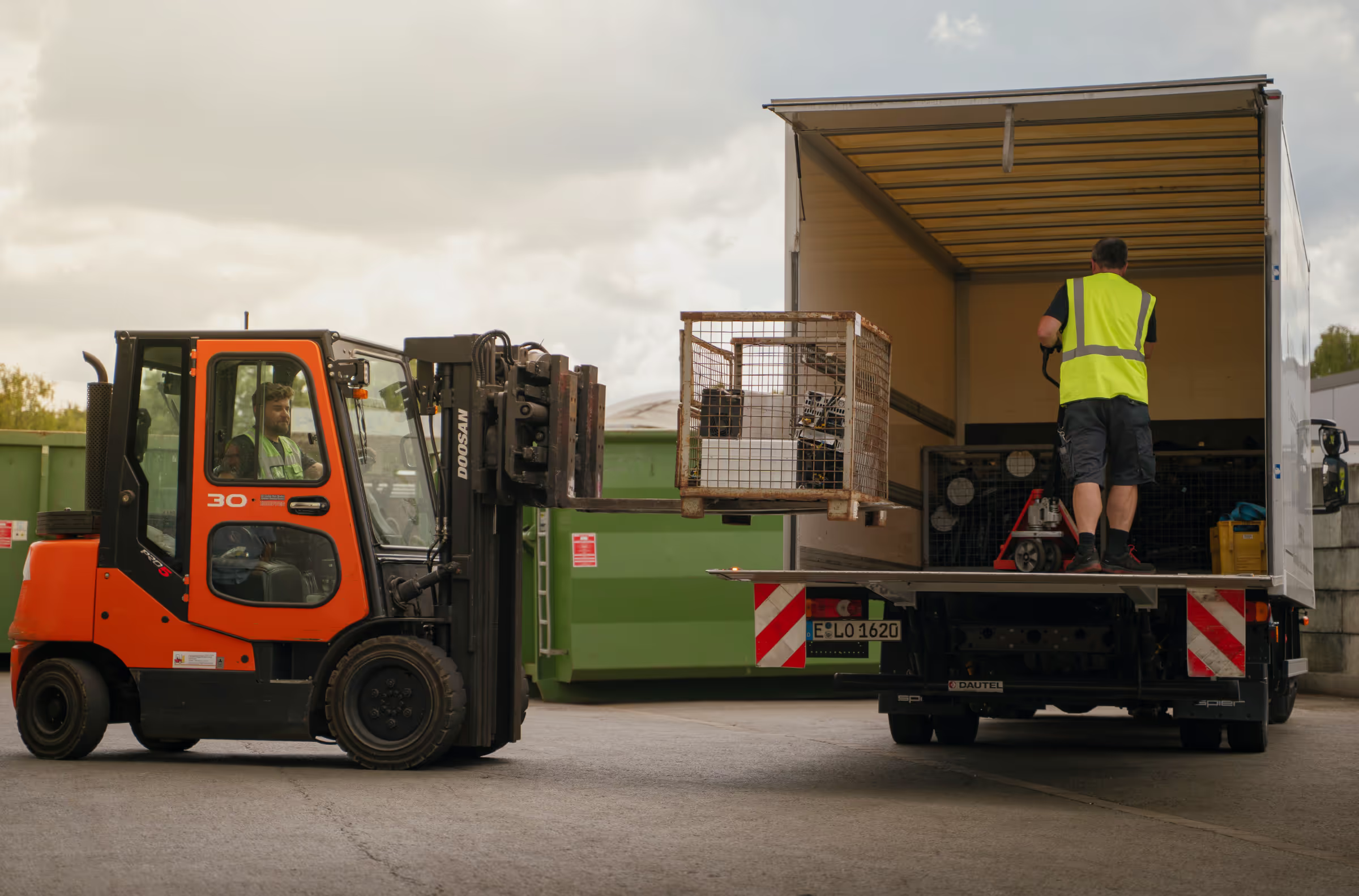
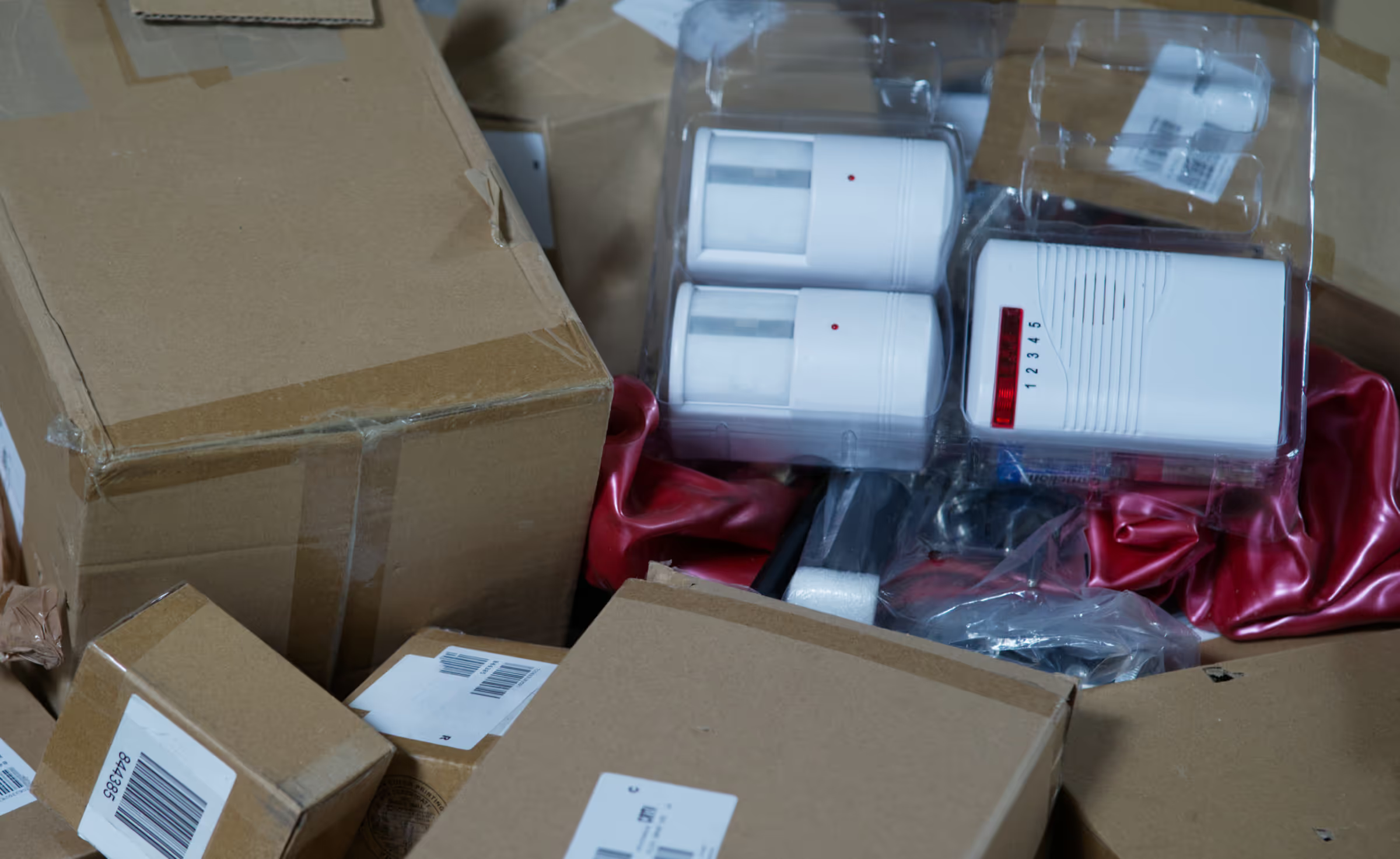
As an innovative recycling company, we constantly ask ourselves which aspects of recycling we, as a family business, can meaningfully develop. We possess research-relevant practical data, material flows, and proven recycling processes. This allows us to practically verify theoretical research considerations. We make our facility and the cooperation of our team available for scientific investigations.

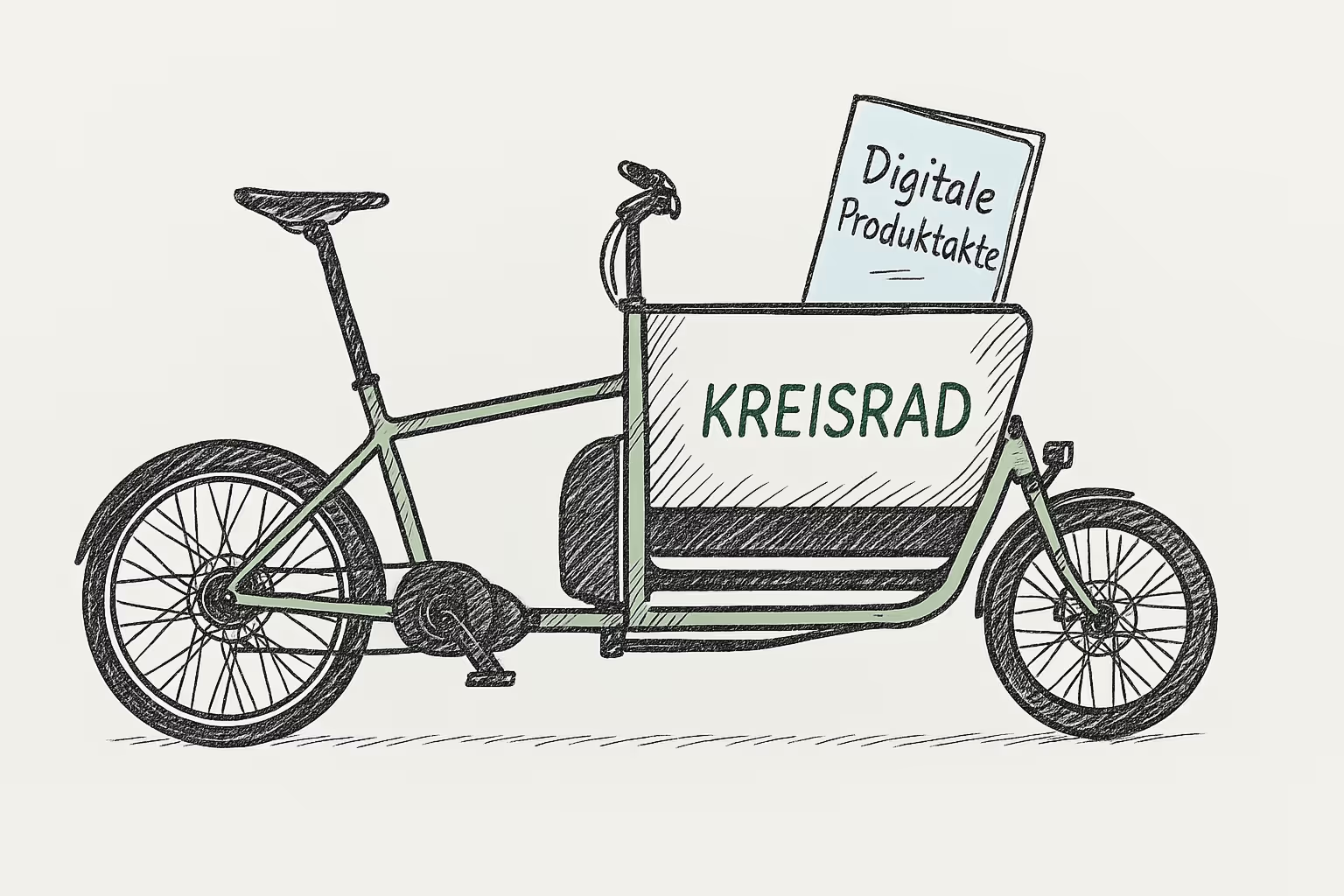
The KREISRAD cooperation project aims to establish and optimize the circularity of Light Electric Vehicles (LEVs), using e-cargo bikes as an example. Various End-of-Life Strategies (EoLS) are investigated and evaluated in comparison with life-extending measures to reduce the environmental impact of e-cargo bikes and – through transferability – also that of other LEVs.

The SeRoBatt project researches the recovery of critical raw materials from secondary sources for sustainable battery production. Through innovative recycling and recovery processes, material cycles are to be closed and dependence on primary raw materials reduced.

This research project develops sustainable end-of-life strategies for Light Electric Vehicles (LEVs) to efficiently integrate recycling, reuse, and repair into a resource-saving circular economy. The goal is to close material loops, reduce environmental impact, and create innovative solutions for sustainable mobility.

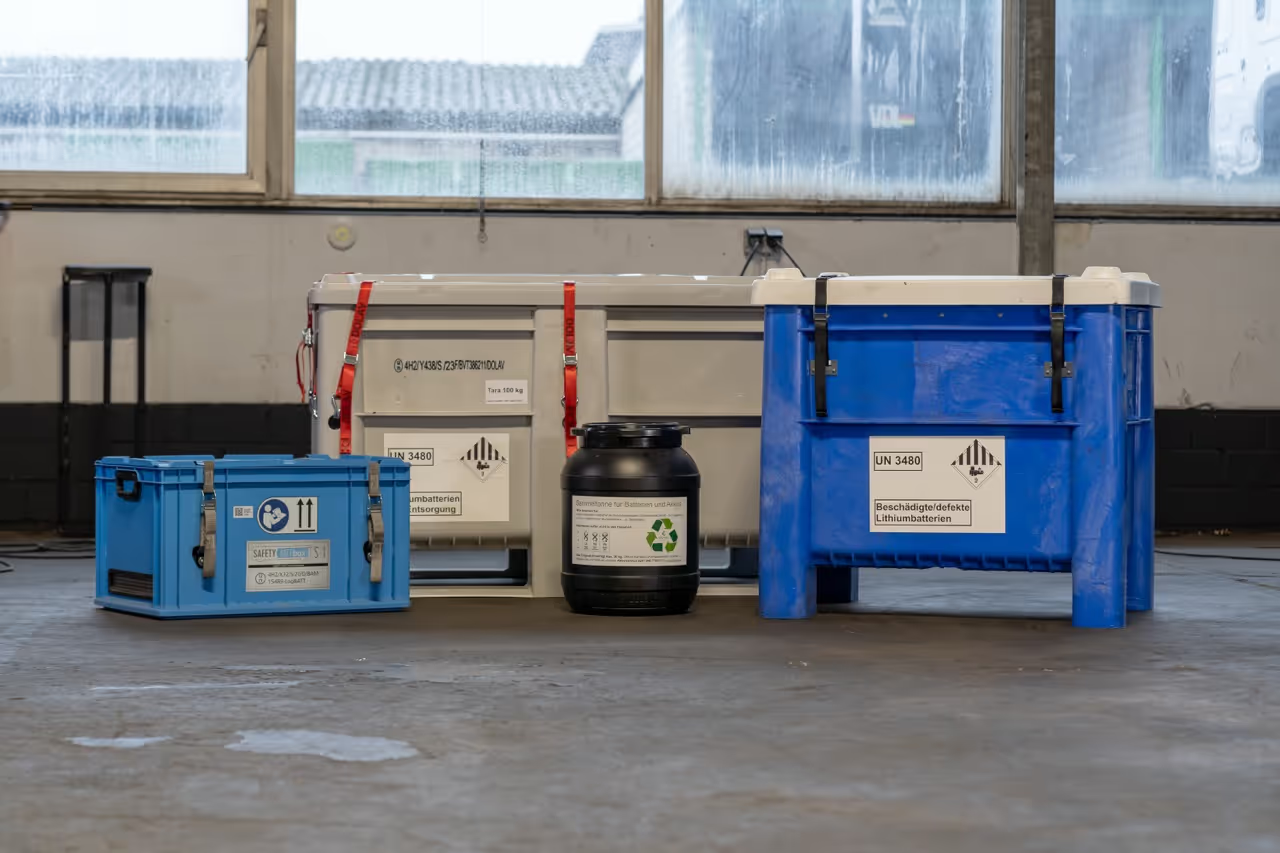
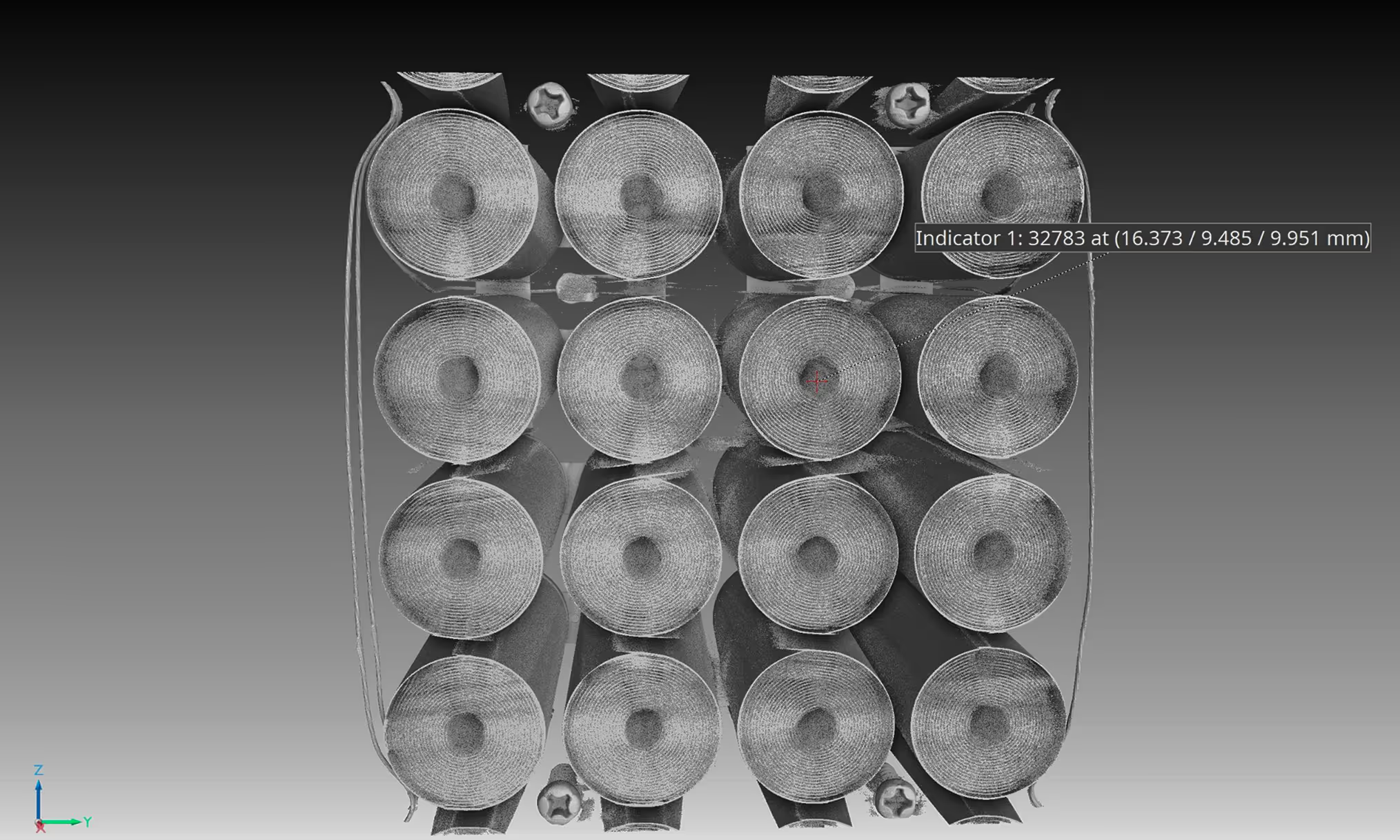
The RELIBRE project develops CT-supported methods for the precise evaluation of used lithium-ion batteries. This allows reusable batteries to be identified and efficiently deployed in a second life phase, conserving resources and promoting the circular economy.