.avif)

Knowledge, Insights, and News
Where e-waste gets a new life
Wondering what happens to discarded laptops, old washing machines, or defective lithium-ion batteries once you've disposed of them? At elorec in Essen, we do everything we can to reuse old electrical appliances and batteries or prepare them for recycling. Join us on a tour of our disposal center in this blog post!
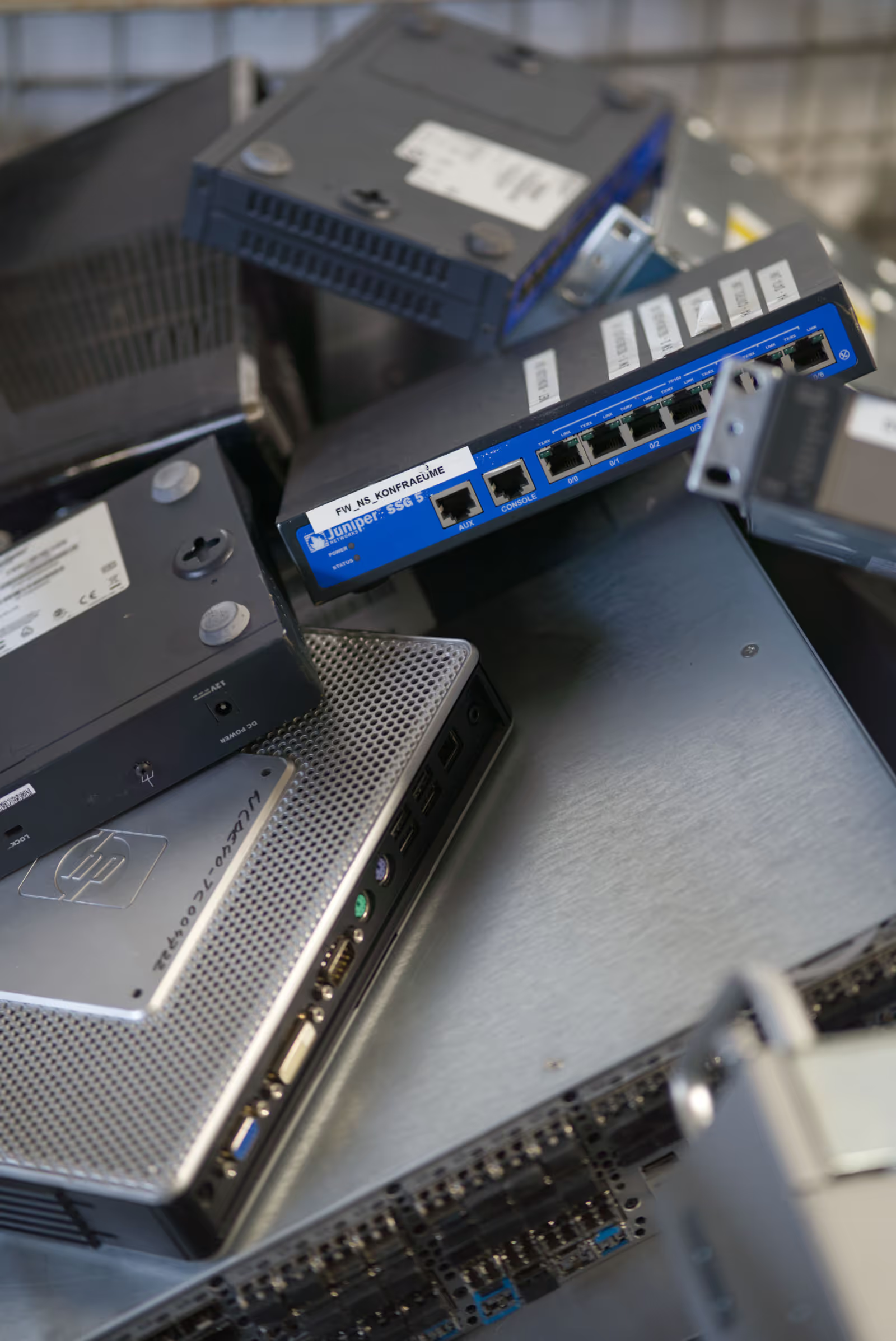
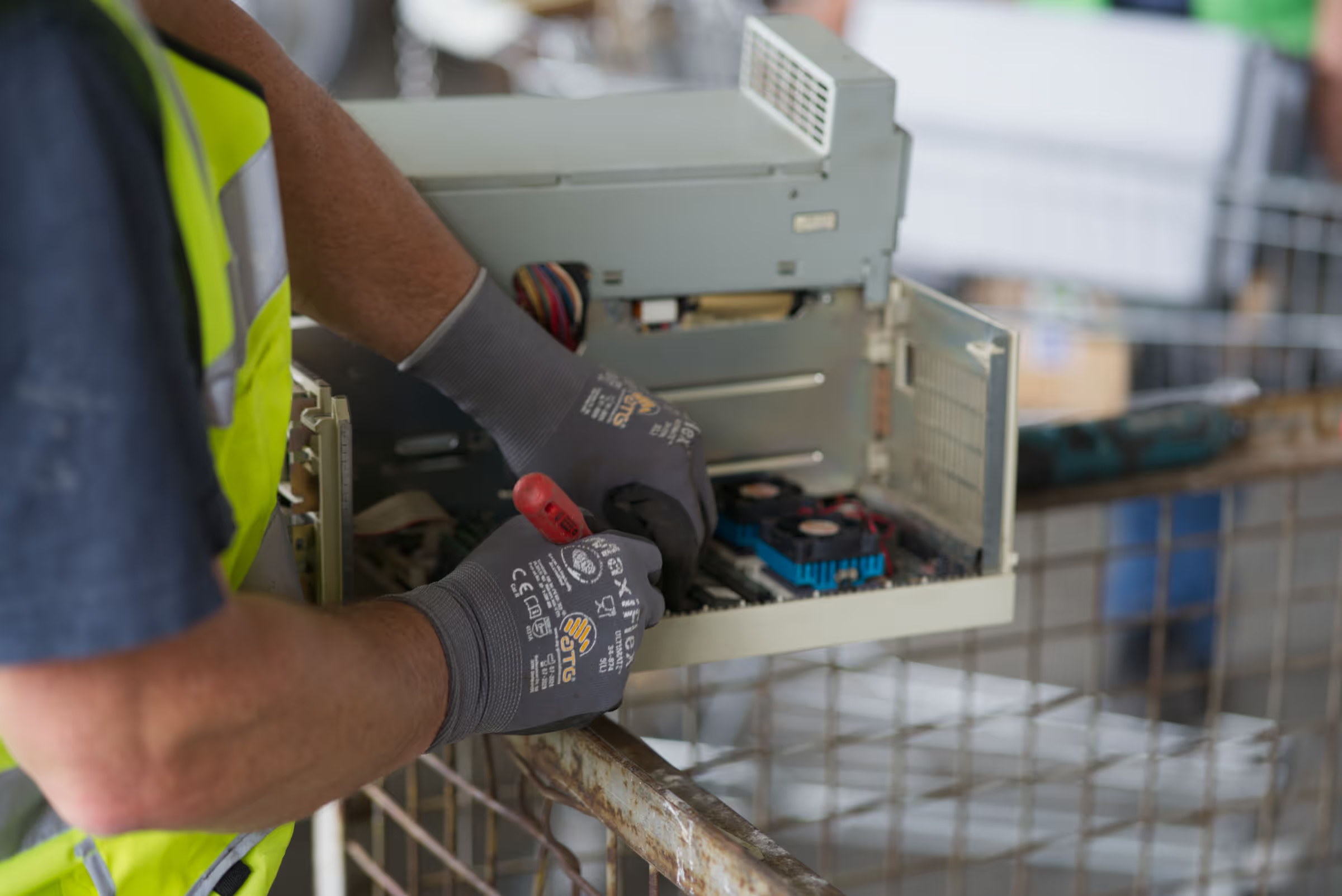
Countless circuit boards, printed circuit boards, cables, and connectors: all neatly separated in large boxes. Once assembled to provide years of useful service in laptops or computers, two employees in a hall at the elorec disposal center now use cordless screwdrivers to dismantle the devices back into what they once were: individual parts that, at the end of their product life cycle, are more than just IT waste.
Silver, rhodium, platinum, gold, aluminum, and sometimes even rare earths are found within them. "These precious metals are too valuable to be shredded with other components," says elorec CEO Hans-Werner Müller. To recover them and reduce resource depletion, they must be separated by type. Other partners in the recycling chain then process them.
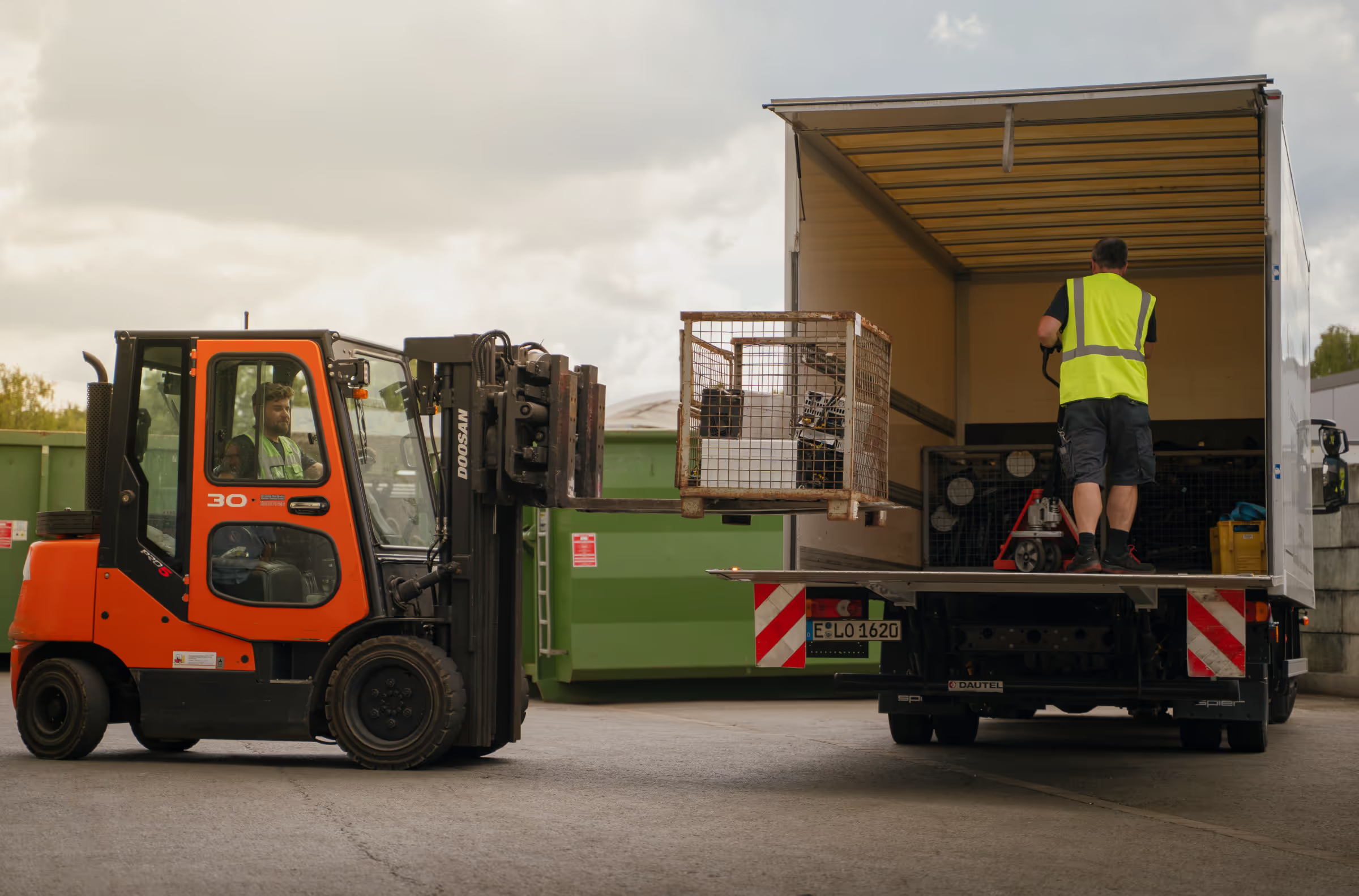
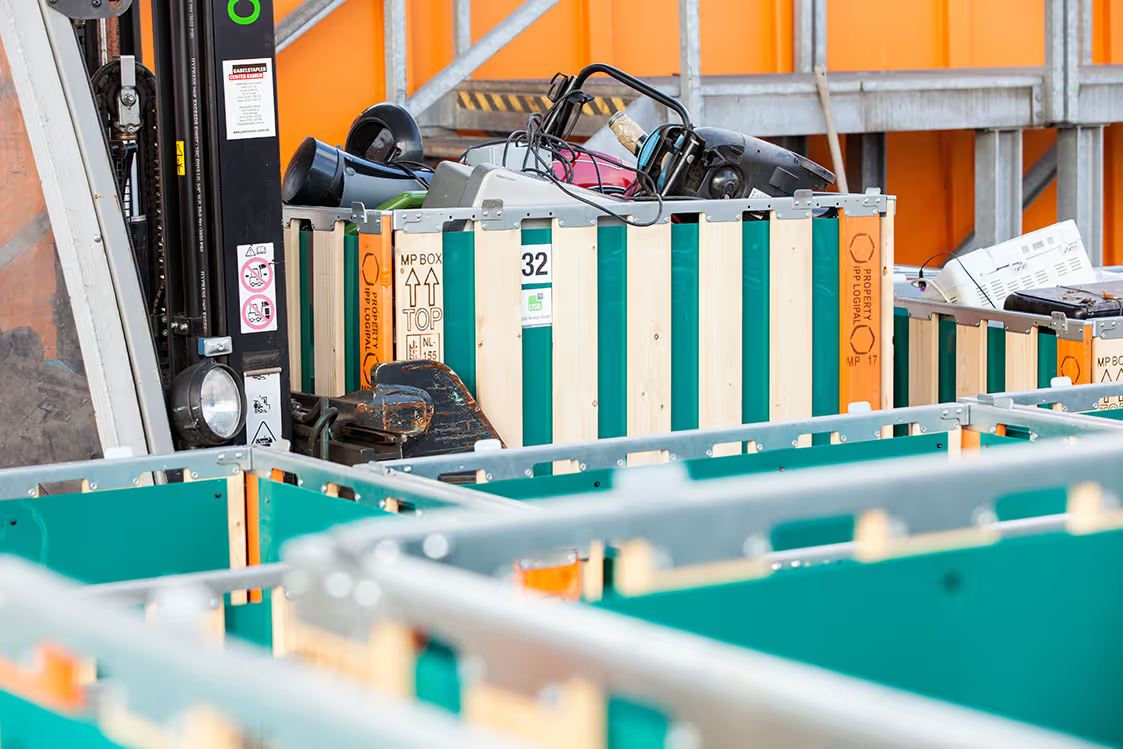
Right next to the dismantling workshop is the goods receiving area of our certified waste management company. There, old electrical appliances such as washing machines and televisions, and discarded IT hardware like monitors, printers, and laptops are delivered either by customers or our in-house pickup service delivered. "We then carefully examine which devices are still functional and can be reused," explains Hans-Werner Müller.
Real treasures in e-waste
For this, devices go to our in-house testing lab, where we conduct the recognized "E-Check." Once a functional device receives a "Tested" seal, it can find a new owner – or sometimes it stays with us. As passionate reusers, we often find a use for many a "rescued treasure" within our own operations, as we recently did for discarded hand dryers.
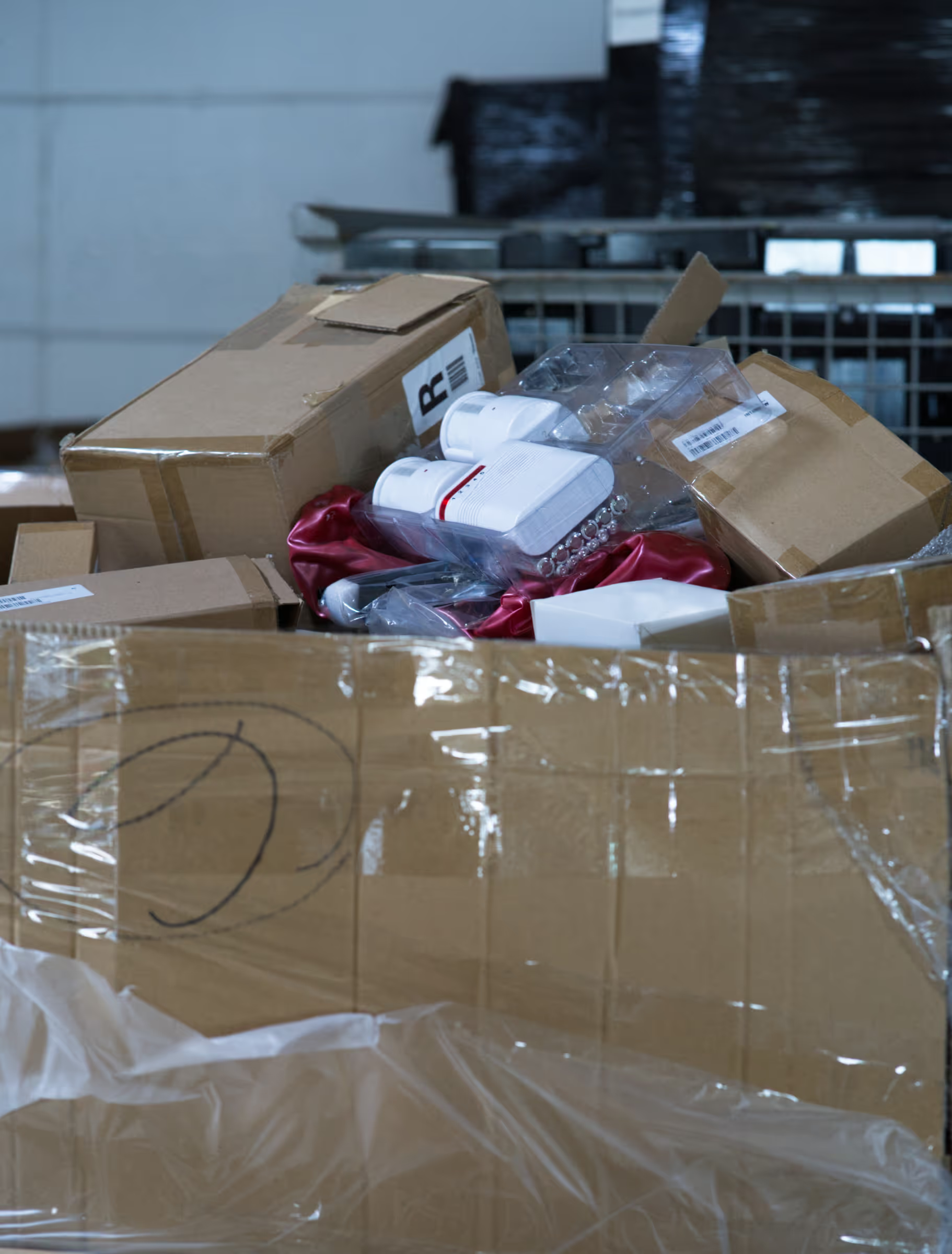
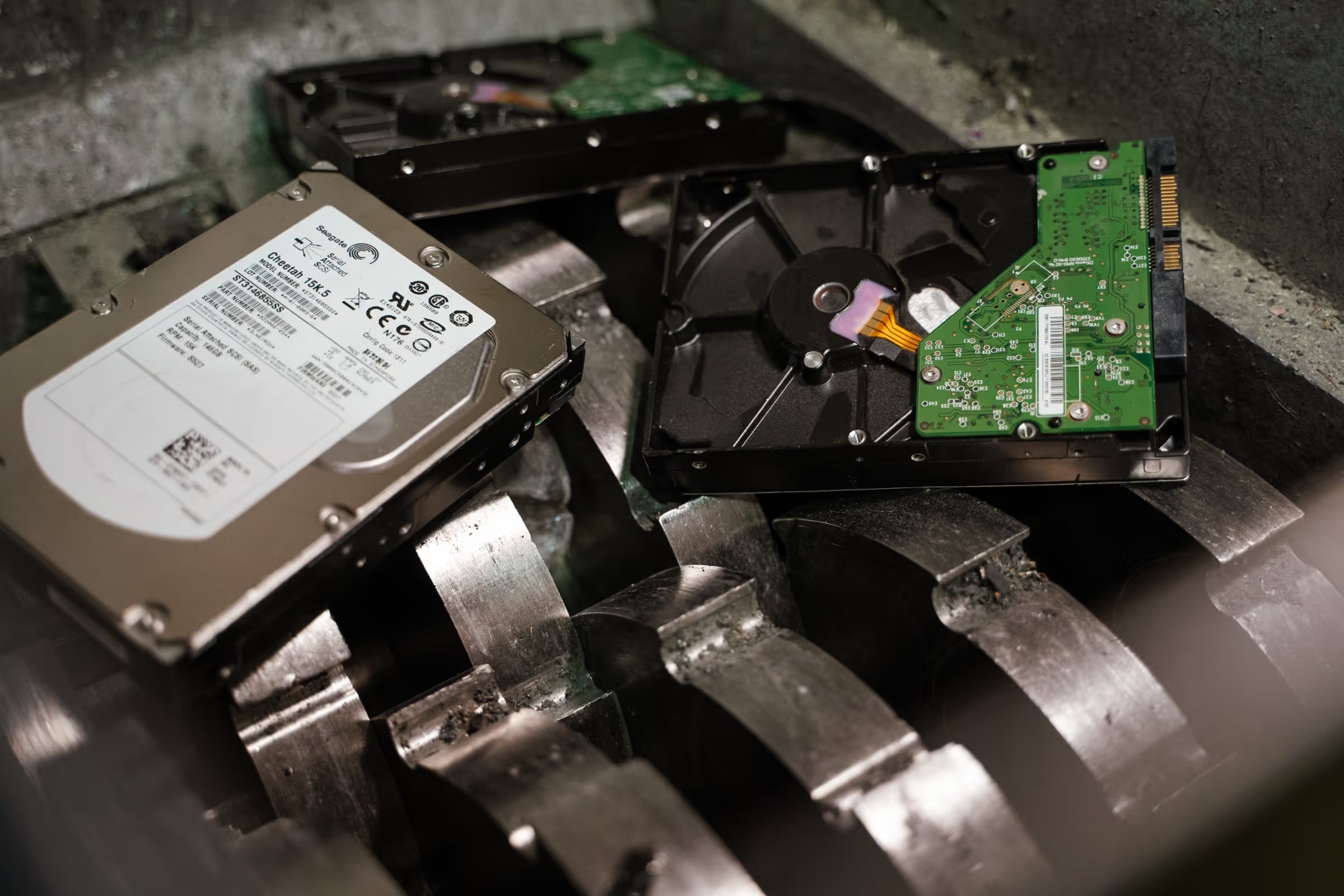
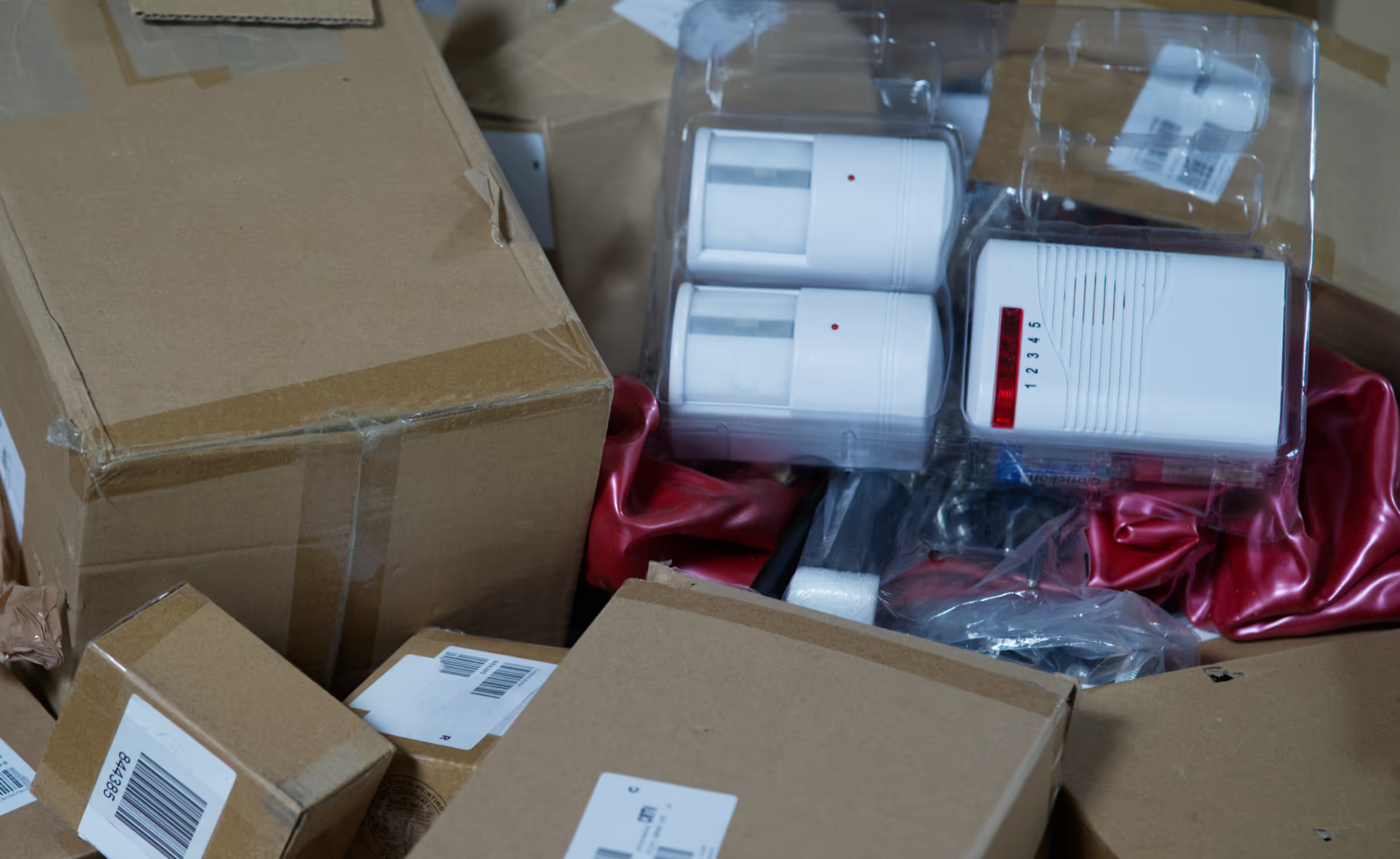
Also located in the hall is the data destruction, where, in an extra secured room, we use various methods to completely and GDPR-compliantly erase the contents of hard drives. Next door is the reception area for buyRec. Under this brand, we buy mobile phones, computers, laptops, and their components online. In this part of our operation, incoming packages are diligently unpacked, and the parts are, of course, separated and collected. But we don't just buy IT hardware; we also sell it – in our eBay shop Reontec. The assortment includes around 30,000 used processors, data storage devices, internal hard drives, and much more, enabling cost-effective refurbishment and repair of devices.
Researching the future of battery recycling
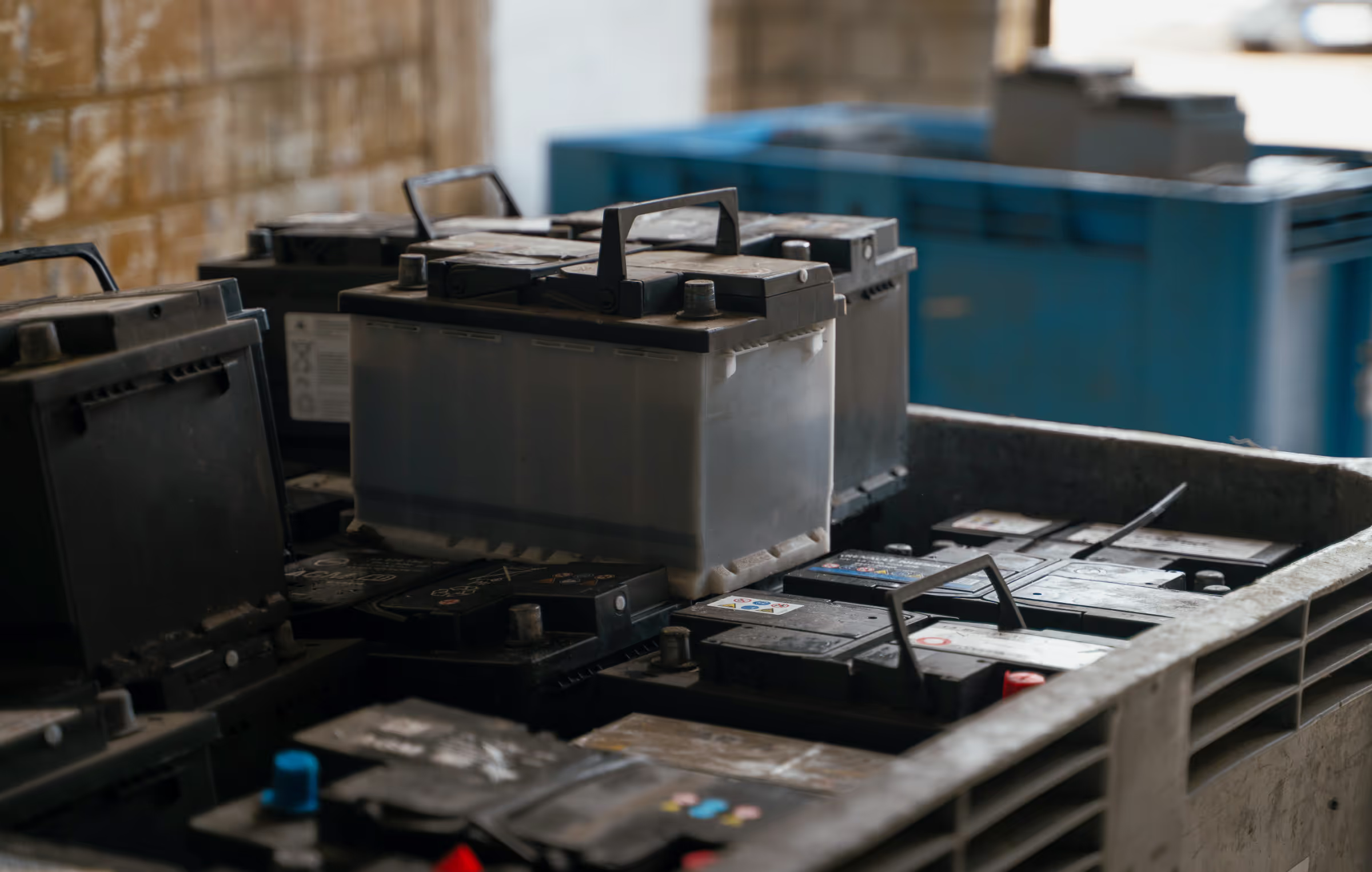
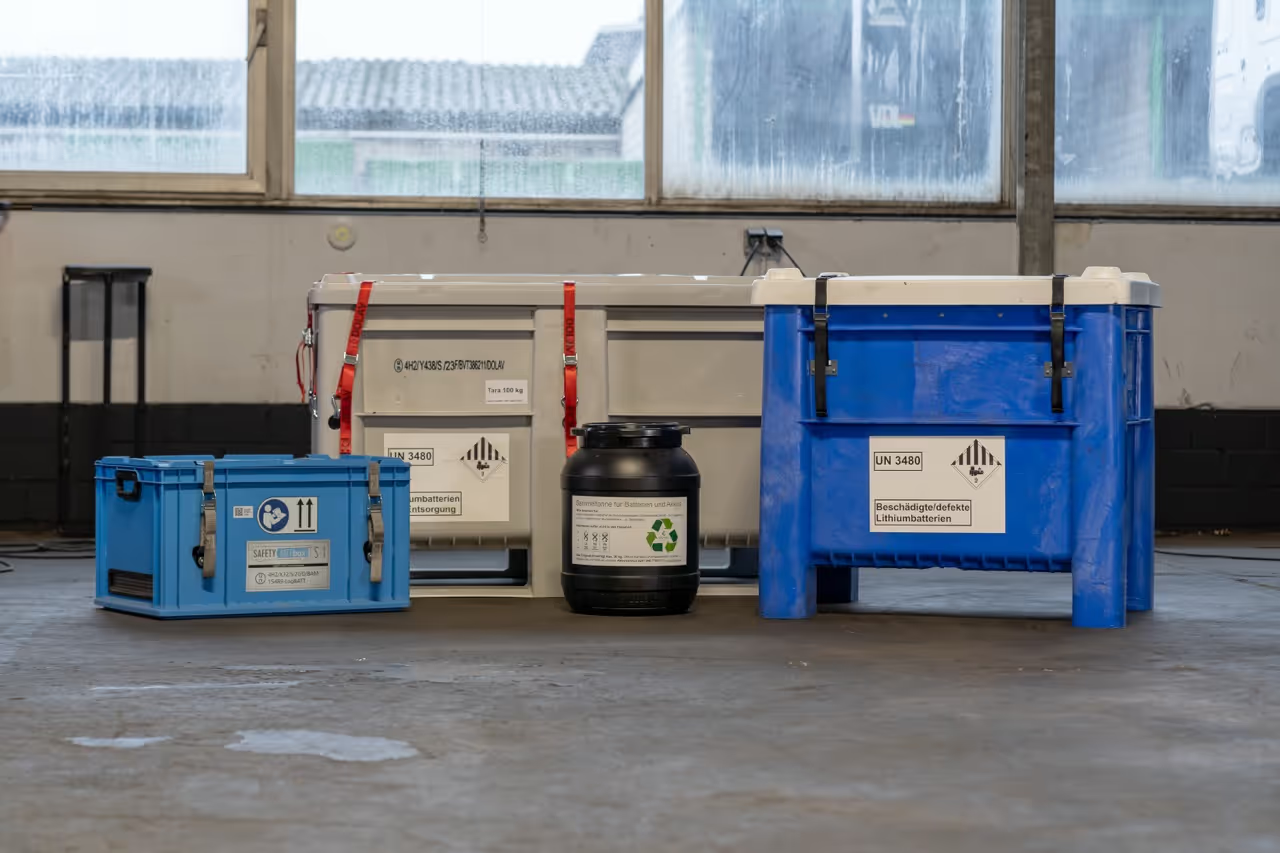
As a waste management company, we also accept batteries of all sizes, from button cells to large industrial batteries – safely stored in a separate garage building on our 11,000 m2 site. Due to the advancement of e-mobility, the recycling of lithium-ion batteries is, of course, also a significant topic at elorec.
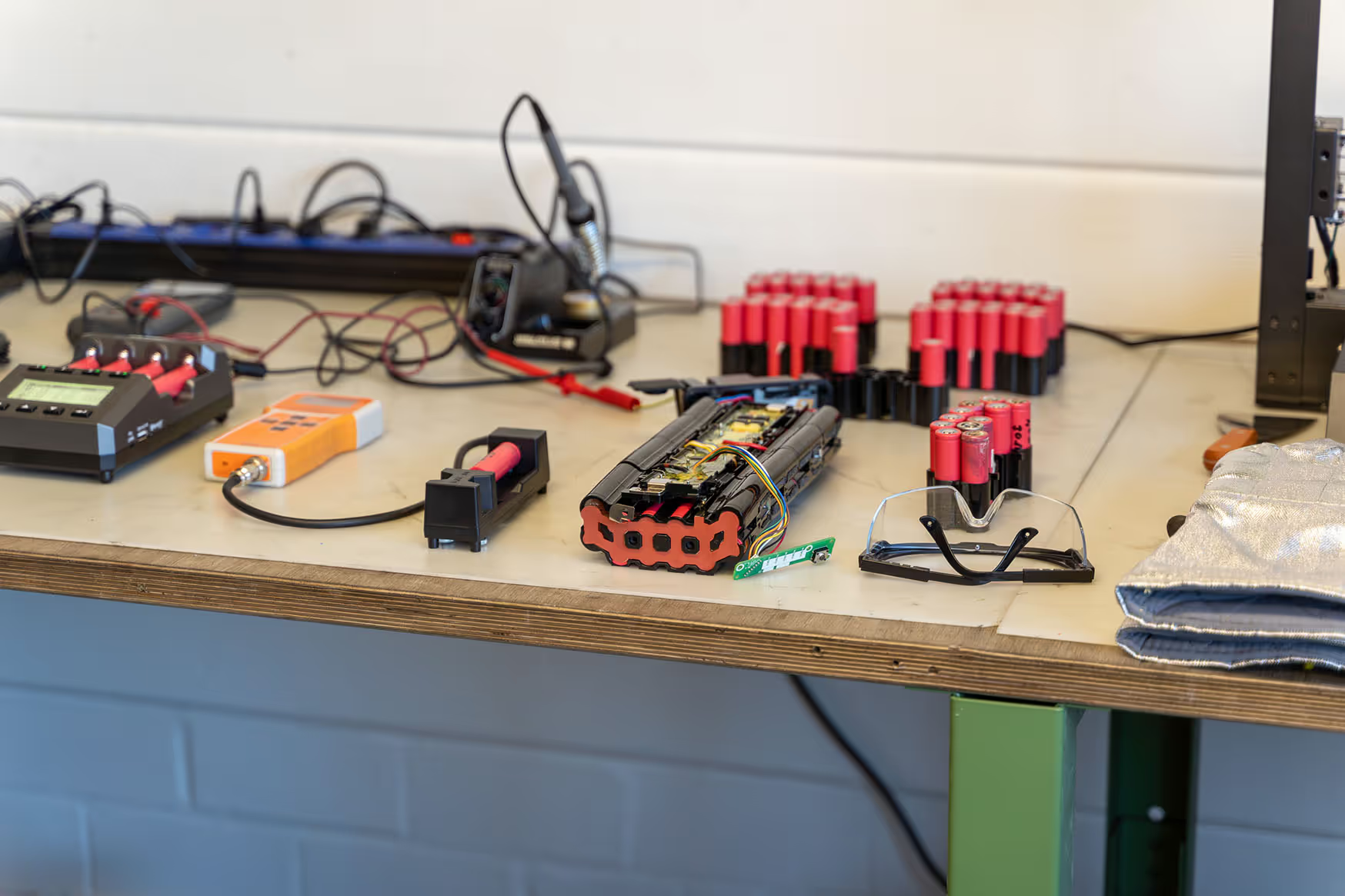
For e-bikes, e-scooters, and e-kickscooters, it's usually not the entire battery that fails, but a single battery cell. Therefore, together with partners from science and industry, we are developing a strategy to reuse intact battery cells from light electric vehicles (LEV) instead of recycling them as before. "Failed e-kickscooters, for example, could then be brought back to life," says Hans-Werner Müller. An industrial mechanic oversees the research project from elorec's side. The reconditioned battery packs could also be useful for new purposes. We are already using them on a trial basis on our premises as storage for our photovoltaic system.
At our location in northwest Essen, we employ around 20 people. We regularly receive visits from scientists and students. Just a few weeks ago, the research project SeRoBatt launched with the Fraunhofer Research Institution for Battery Cell Production FFB, where we contribute as a practical partner. An EU-wide regulation stipulates that new batteries must consist of a certain percentage of recycled materials in the future. But where could these come from if not enough metals from old batteries are available? Scientific staff from Münster University of Applied Sciences are currently investigating this at elorec, where they naturally find many discarded products that could be suitable, such as cooktops. Did you know, for example, that glass-ceramic contains a lot of lithium?
Precisely sorted metal scrap
The last stop on our tour through the disposal center: the outdoor area where we sort and collect metal scrap. Anyone entering our company yard can hear the humming and clanking from several meters away. On a part of our premises, an excavator is regularly used to move the metal scrap. Separated by type, it is prepared for transport to a processing company.
As a visitor, you might feel a bit reminded of a recycling center with all its different containers – except that here, neither discarded furniture nor smaller household appliances are collected separately, but rather, for example, rusted finned radiators, vehicle transmission parts, or even tin gutters. In one hall, we have the option to store metals protected from wind and weather.
Conclusion: Many materials live on
As a waste management company, we ensure in all areas of our work that disposed waste is carefully sorted and prepared for the next step in the recycling chain. We are particularly pleased when we can give supposed waste a second life. Only a very small percentage of the devices and materials we handle at our disposal center are ultimately discarded. In the spirit of a functioning circular economy and the protection of our environment and resources, we at elorec strive to ensure that as much as possible is reused or recycled.